AI IN HOW WE BUILD
AI writes the code. I own the decisions and the checks.
My teams use AI across the work, from tests to research. I also build with coding agents myself, so I know where they hold up. I judge it by delivery: lead time, cycle time and what escapes to production.
Days → hours
integration tests, written by engineers with Claude and Copilot
Weeks → hours
research for product teams: product, technical and competitor
Hours → minutes
interview notes, from disorganized notes to structured feedback
People design the line. Agents run it.
Tested in my own apps, and built on what my teams already do with AI.
01 Spec with AI
People write the spec and set what gets tested. Priorities and product calls stay with people.
02 Small agent PRs
One change per pull request, with least privilege and the repo’s rules.
03 Independent review
A second agent that did not write the code reviews each change until it is green.
04 Risk decides
High risk: a named owner. Medium: a set window. Low: the checks alone.
05 Ship behind a flag
If it fails, the flag goes off and we roll back.
06 Measure
A baseline of failure rate, cycle time and cost per change. Change one thing, then keep it or roll back.
THE SETUP I BRING TO A TEAM
↺ If a tier’s escaped defects rise, that tier gets stricter checks and a new test for the cause.
Agents give you the speed. The rules around them give you the safety.
Start with one narrow job
One repetitive job first, proven on real pull requests.
What stays with people
Priorities, product calls, customer data and the final merge.
What changes for people
Tech leads design the line. Juniors learn by reviewing agent findings.
CASE STUDY
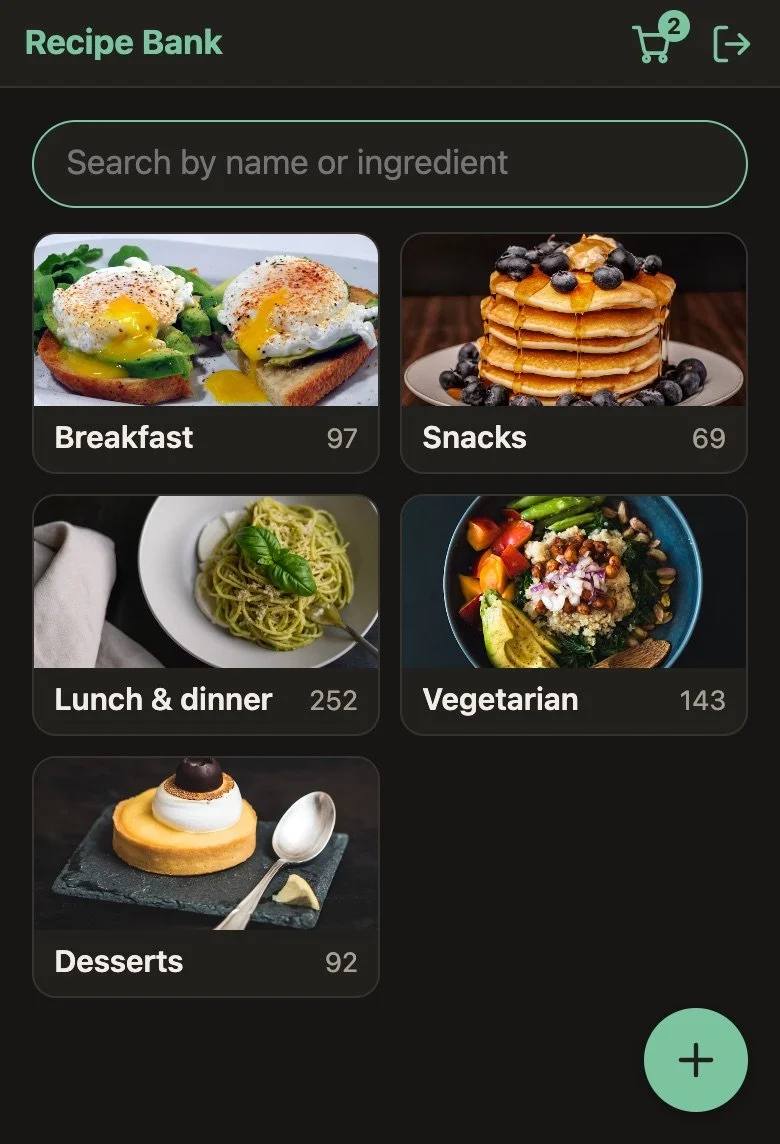
Recipe Bank: 653 recipes, from empty folder to my phone in six days.
Personal project · built with Claude Code
Front page. Category tiles, search as you type.
5.5 h
first usable version live, with login
from independent review, caught before they shipped
~400 tests
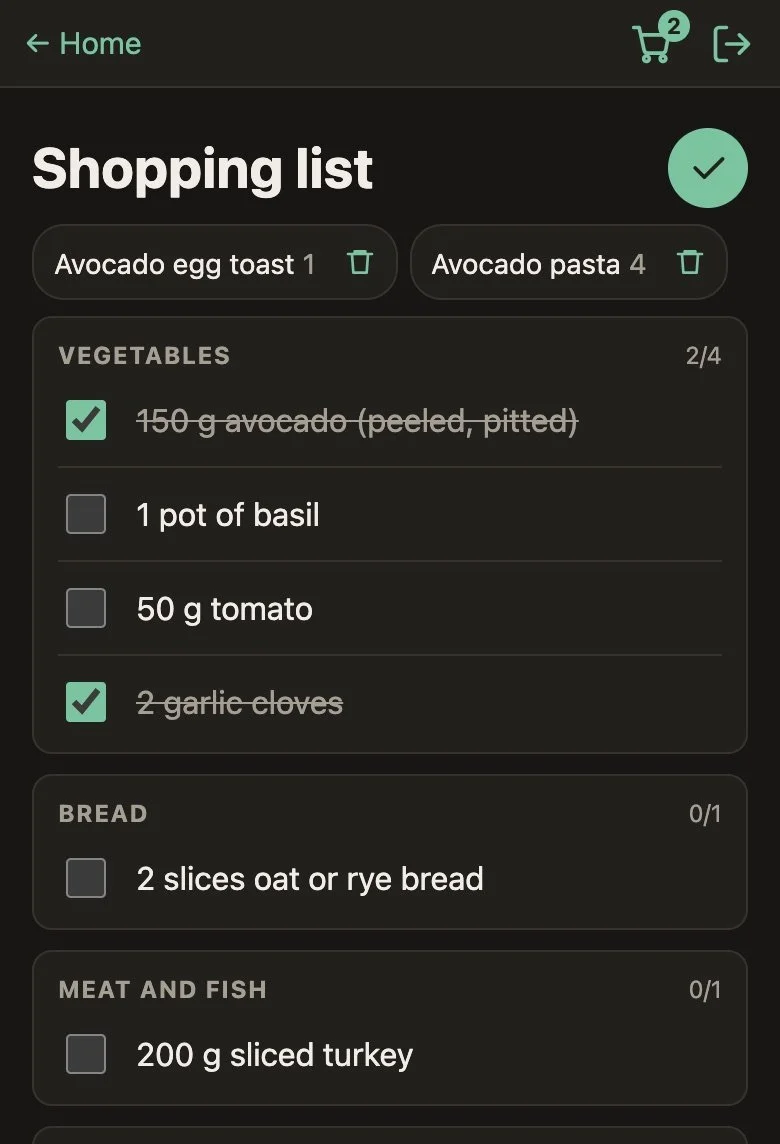
A private recipe app: a shopping list in store order and an editor with photo upload. Every phase had a “done when” test.
5.5 h
first usable version live, with login
HOW IT WAS BUILT
A design doc first, with the AI as a sparring partner. Then twelve vertical phases of about an hour. The first one deployed the empty shell, so every later push was a live deploy.
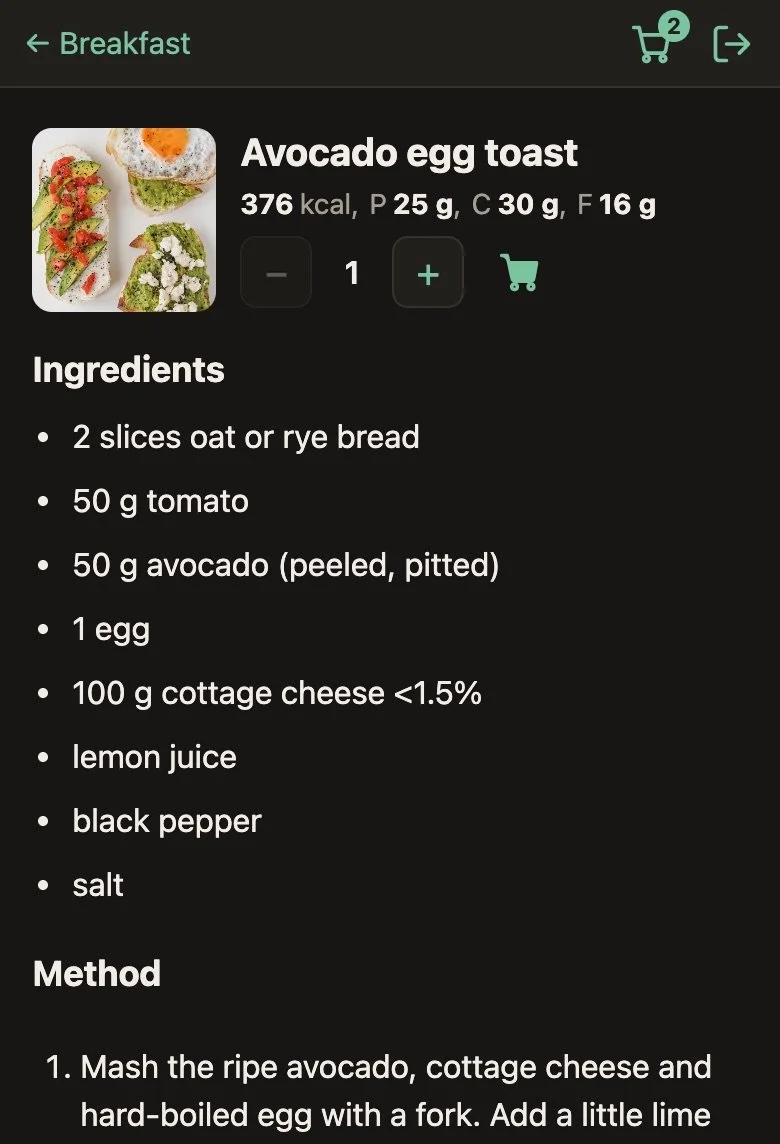
Recipe. Macros, portions, one tap to the list.
9 fixes
Shopping list. Grouped by store section, in walking order.
MILESTONES
Phase 1 Deploy the empty shell
Every push to GitHub is a live deploy from day one.
Phase 4 Login before any data
Recipes went live only after the login existed.
Phase 9 One phase cut
It no longer added value, so it was dropped on purpose.
Phase 10 iOS app
A native iOS app next to the web app.
written before the code, in 47 files
CASE STUDY
Workout log: one agent codes, another proves it.
Personal project · built with Claude Code
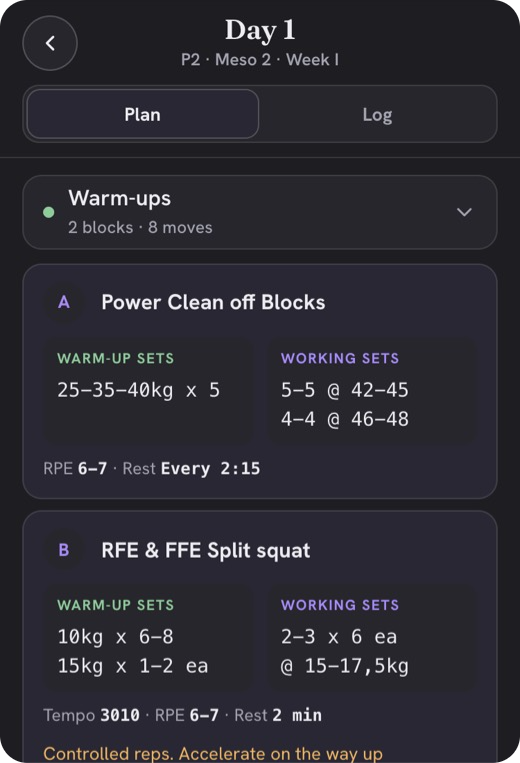
Plan. The whole day, to copy to the gym whiteboard.
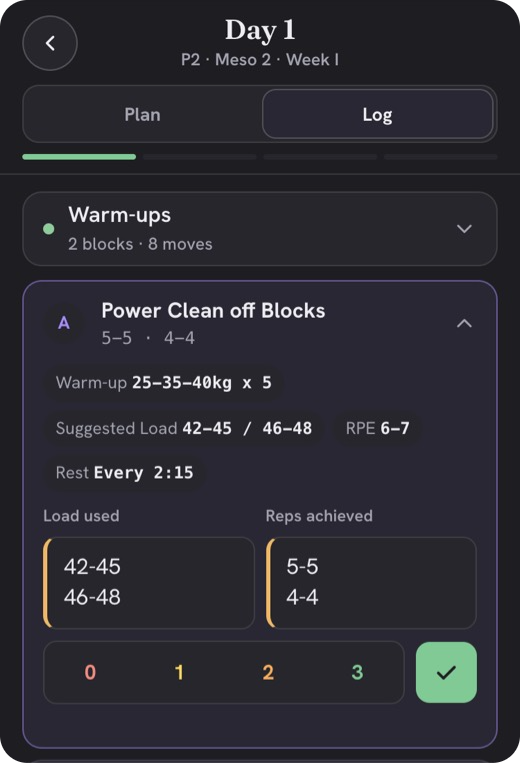
Log. Load, reps, score, ✓, next exercise.
6 lines
the fix, proved by a failing test
of review to approval
CODER AND REVIEWER
A save could be overwritten by an older sync. One agent wrote a failing test, then a six-line fix. A second agent removed the fix to prove the test fails without it, and approved in one round.
PARALLEL AGENTS, WHEN IT PAYS
Three independent tasks ran as three agents at once. It cost about three times the tokens for a modest time saving, so I only do it when tasks don’t share files.
REAL DATA OVER GREEN TESTS
Tests passed, but the real data broke an assumption. I fixed the test data first, then the rule.
~3× tokens
1 round
for three parallel agents
CONTACT
Let's talk about your engineering organization.
Engineering leadership, delivery, or the operating model behind both: I'm happy to talk.